
You spend hours deep cleaning your home, but it descends back into total chaos within three days. This exhausting cycle leaves you feeling guilty, defeated, and paralyzed by executive dysfunction while traditional organizing advice tells you to just try harder.
The constant clutter rebound makes your own living space feel like a source of permanent stress. The real issue is that standard hidden storage fights your working memory.
You can break this cycle by shifting to an ADHD friendly home organization system that cuts out hidden steps and stops clutter from coming back.
Why Does the Clutter Rebound Keep Happening?
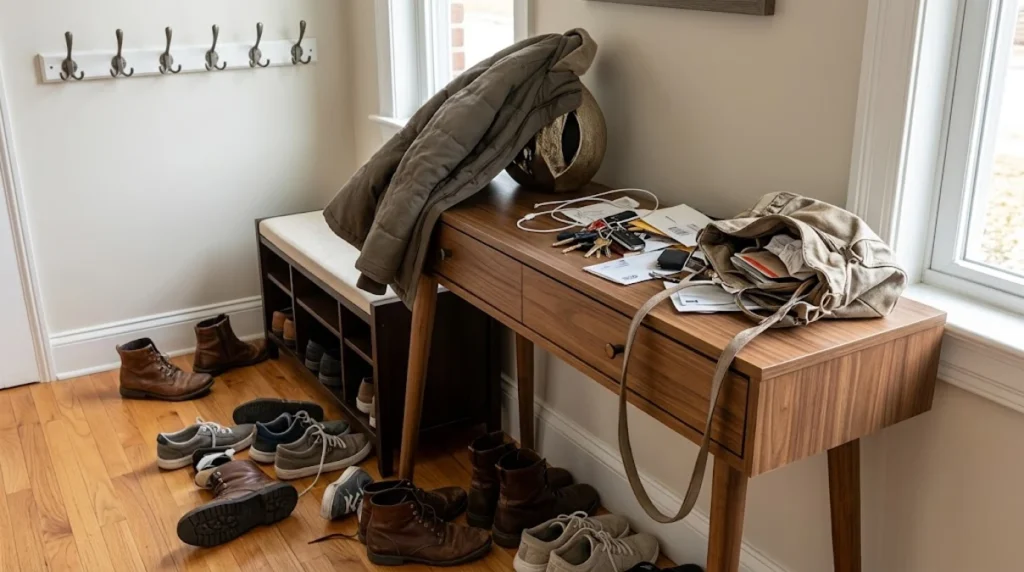
We all know the pattern of the manic clean. You get a sudden burst of energy and scrub your entire room until it sparkles. Then, three days later, the exact space is covered in piles of stuff again.
This rebound is not a moral failure or a lack of discipline. It happens because typical storage setups ignore how your brain handles memory. Traditional cabinets rely on hidden layouts that force you to guess where things are stored.
For an ADHD brain, out of sight truly means out of mind. When you place an object inside an opaque drawer, your brain deletes its existence. You forget you own the item, which leads to buying duplicates and building more mess.
Every single extra step in a storage setup creates a tiny bit of mental friction. If you have to open a door, pull out a bin, lift a lid, and drop an item inside, your brain views this as a massive chore.
Dr. Russell Barkley explains that ADHD is a failure of execution at the point where a behavior needs to happen.
His research shows that any setup requiring more than two steps to store an object has an 80% higher failure rate for ADHD brains.
You avoid the task because the storage requires too many steps. An ADHD friendly home organization relies on eliminating these hidden steps completely.
| Area | Traditional Neurotypical Setup | ADHD Friendly Storage |
| Entryway | Closed coat closets and hidden shoe racks | Open wall hooks and drop trays |
| Bedroom | Deep opaque dresser drawers | Open cubbies and clear hanging organizers |
| Kitchen | Lidded bins and dark pantry cabinets | Wire mesh baskets and clear containers |
Setup Your Entryway at the Point of Performance
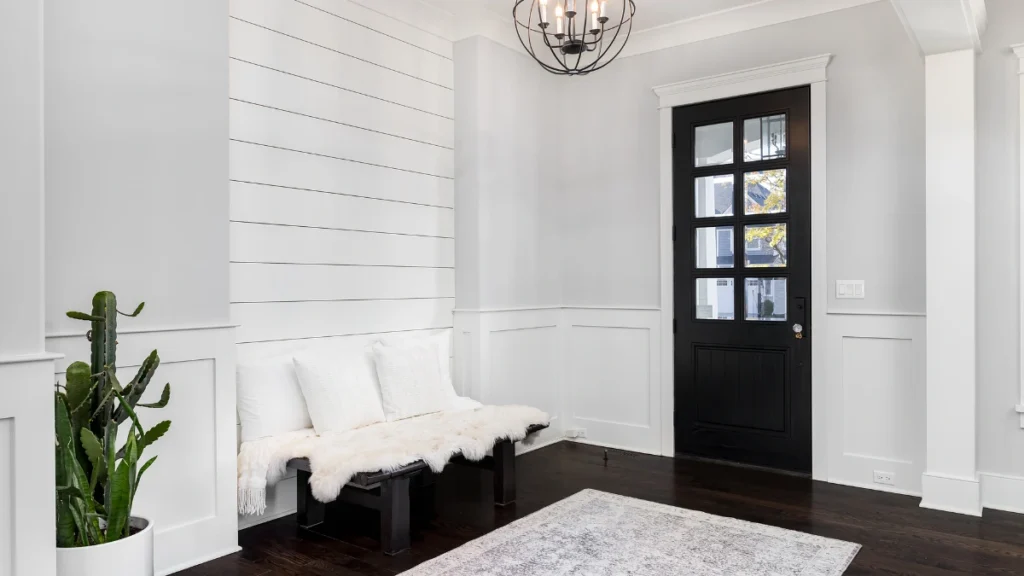
Dr. Barkley notes that your brain needs tools placed exactly where your actions naturally happen. Do not try to change your behavior to match your furniture. Instead, change your furniture to match your behavior.
Look at your entryway floor right now. You probably kick your shoes off right by the door and drop your keys on the first flat surface you see. A traditional coat closet requires you to open a door and find a coat hanger, which causes immediate task avoidance.
Instead, build a low barrier home setup directly on your natural path. Put heavy duty hooks on the wall right where you drop your bags. Place an open tray on the counter to act as a launch pad for your keys and wallet.
Physical separation of different activity zones cuts down transition delays by up to 45%.
When your tools sit out in the open where you use them, you do not waste mental energy searching. This simple change helps prevent clutter return because putting things away takes zero extra effort.
Why Visual Accessibility Beats Modern Minimalism
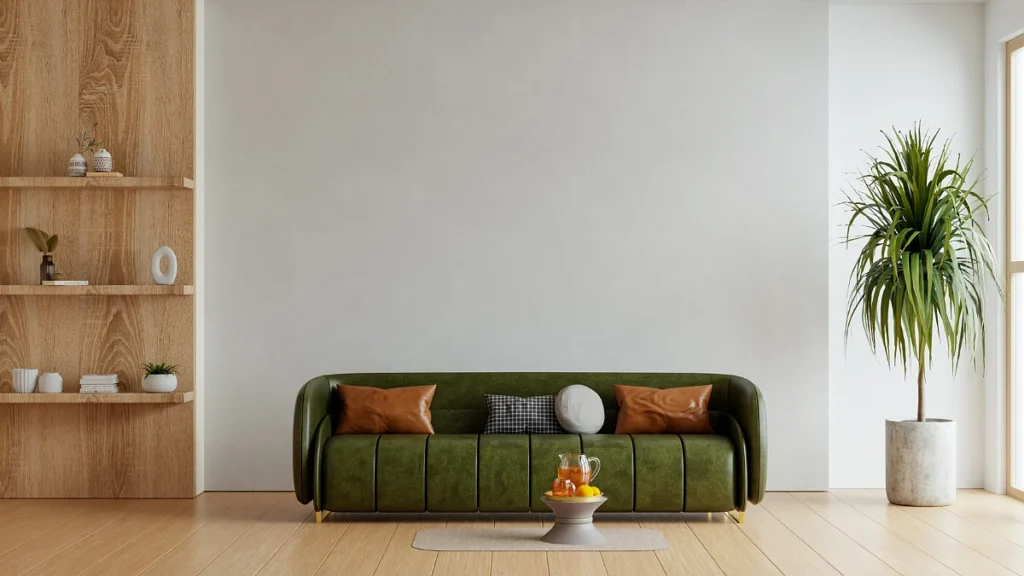
Modern home decor loves hidden storage and clean, empty counters. For your brain, a lid on a storage box acts like a heavy padlocked door. If you cannot see your items, you will either forget they exist or mess up the space trying to find them.
Cassandra Aarssen studied these traits and discovered specific organizational styles. Many adults with ADHD match the visual style, meaning they need visual reminders to stay organized. They require clear boundaries that do not hide their belongings.
Organizing studies prove that using clear or color coded labels increases your speed when retrieving items by 40%.
It also slashes duplicate shopping trips and expired food waste by 45%. You can achieve this benefit by swapping your opaque containers for clear acrylic tubs or wire mesh baskets.
| Visual Tool | Everyday Application | Cognitive Benefit |
| Clear Acrylic Tubs | Pantry shelves and closets | Keeps hidden items visible to working memory |
| Heavy Duty Hooks | Entryways and bedroom walls | Cuts out multi step hanging chores entirely |
| Labeled Open Bins | Living room shelves | Simplifies sorting without creating decision fatigue |
You can also use open storage ideas throughout your entire living space:
- Open bedroom cubbies replace deep clothing drawers so you can see your shirts instantly.
- Heavy duty wall hooks hold your worn but clean pants instead of letting them pile on a chair.
- Over the door organizers use clear pockets to keep your daily items visible and neat.
This type of open layout provides a structured style that keeps your items accessible. It creates an authentic ADHD friendly home organization that feels natural. You stop fighting your brain and start using a low barrier home setup that supports your life.
The 5 Things Reset Framework for Quick Wins

When a room gets messy, executive dysfunction systems can cause total mental paralysis. You look at the pile of items and your brain panics because it cannot decide where to start. You end up stuck on your phone, feeling guilty while nothing gets cleaned.
Therapist KC Davis created a brilliant tool to stop this paralysis in her book How to Keep House While Drowning. She explains that every single messy room contains only five categories of items. You do not have to clean a whole room at once to find relief.
You only have to find one category at a time to beat the dopamine side quests that distract you. Follow this exact sequence to reset your space without losing focus:
| Step | Target Category | Core Action | Why It Stops Brain Paralysis |
| 1 | Trash | Bag all garbage | You ignore everything else to maintain focus. |
| 2 | Dishes | Move plates to the sink | One fast trip gets items out of the room. |
| 3 | Laundry | Throw clothes in a basket | No folding required right now to save energy. |
| 4 | Things with a home | Put away known items | Quick wins build momentum without extra decisions. |
| 5 | Things without a home | Place items in a doom basket | Groups remaining clutter so you can stop cleaning. |
Using this method saves your energy because it removes the need to make constant decisions. You focus your eyes on one specific type of object at a time. This approach clears out 80% of the visual noise within fifteen minutes.
Conclusion
Your home should support your everyday life, not look like a museum of impossible expectations. Shifting away from hidden drawers and moving toward open, low barrier storage keeps your space functional.
Pick just one drop zone in your entryway today. Swap a closed cabinet for an open basket or install a few heavy wall hooks.