
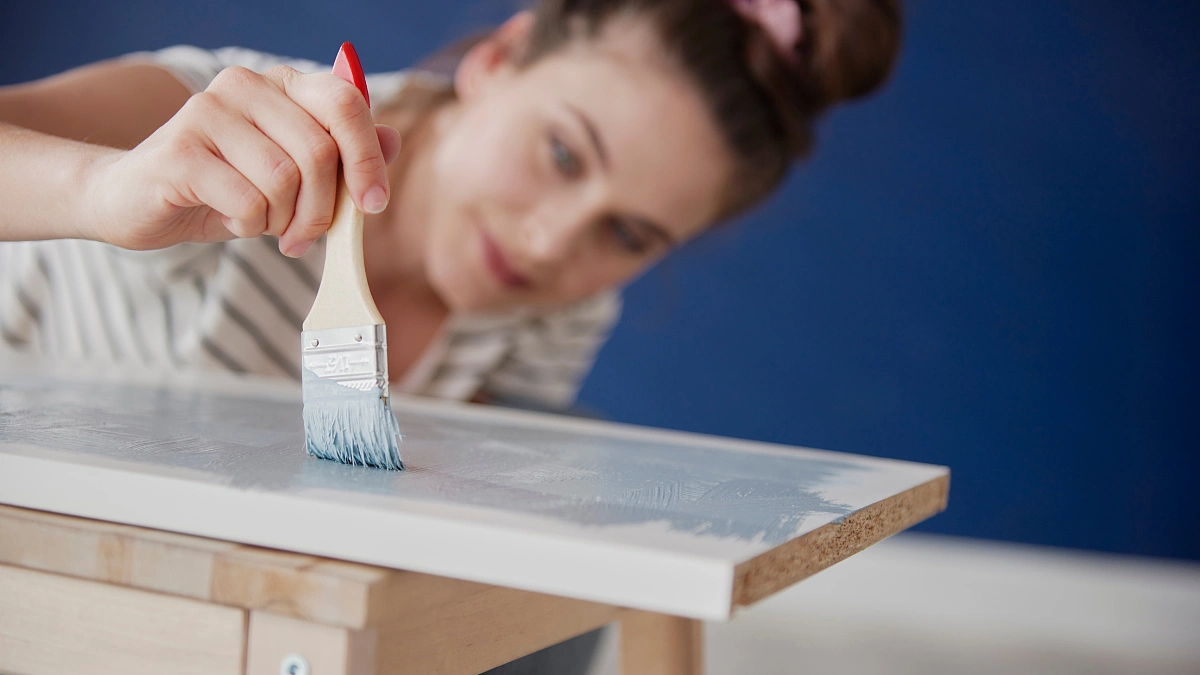
The physical reality of sanding furniture is a total nightmare. The screeching noise fills your ears.
A thick layer of gray dust invades your nose and covers your entire room. It is enough to make anyone abandon a weekend project before it even starts.
You want to learn how to paint furniture without sanding but you have one major fear. You worry your gorgeous new paint job will scratch off like wet paper at the slightest touch. Nobody wants to watch their hard work peel away.
When to Skip Sanding and When to Use Sandpaper
Before buying supplies, look closely at your piece. Not every dresser or table is ready for a chemical shortcut.
If the original finish is stable, you can safely proceed without creating wood dust. But if the surface is already falling apart, your new paint will fail too.
| Surface Condition | Sanding Required? | Best Action |
| Stable factory lacquer | No | Use a chemical deglosser |
| Chipping or flaking paint | Yes | Complete mechanical sanding |
| Slick, intact modern laminate | No | Apply a high adhesion primer |
| Deep gouges and dents | Partial | Fill spots with KwikWood |
If the surface is shiny but flat and stable, the chemical method works perfectly.
But flaking finishes are a major dealbreaker. If the original foundation is actively failing, your new paint will peel off along with the old layer. Address small dents by filling them with a specialized wood filler, letting it dry, and smoothing just that tiny spot.
Professional furniture flippers share this warning. Data from top restoration sites like Salvaged Inspirations shows a clear pattern.
Around 90 percent of non sanded furniture failures happen because the DIYer tried to paint over a surface that was already peeling. Your base layer must be stuck tight if you want to paint furniture without scratching it later.
Liquid Deglosser vs. High Adhesion Bonding Primers
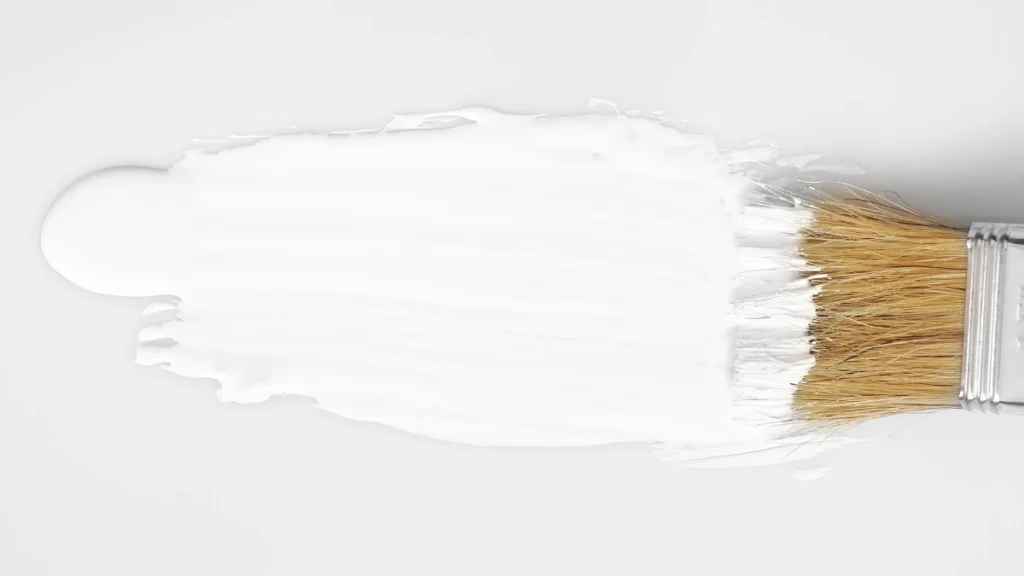
Sanding takes hours, but chemistry takes twenty minutes. To beat the sandpaper, you need to use two specific products to replace manual labor.
The first tool is a liquid sander deglosser like Krud Kutter or Jasco. This chemical micro etches the shiny topcoat. It opens up surface pores without creating dust.
The second tool is a heavy duty bonding primer. This product acts like permanent double sided tape between the slick surface and your paint. Products like Zinsser B.I.N. or Kilz Adhesion are the best bonding primer for furniture needs.
| Product Type | Primary Function | Key Benefit |
| Liquid Sander Deglosser | Strips away factory gloss | Eliminates airborne wood dust |
| Bonding Primer | Fuses new paint to slick surfaces | Prevents finish from peeling |
When a liquid deglosser dries, it leaves a dull, chalky film on the wood. Do not panic when you see this change. This film is physical proof that the chemical reaction worked. The gloss layer is officially neutralized. Simply wipe it clean with a damp cloth before moving forward.
The Essential Sandless Prep Supply List
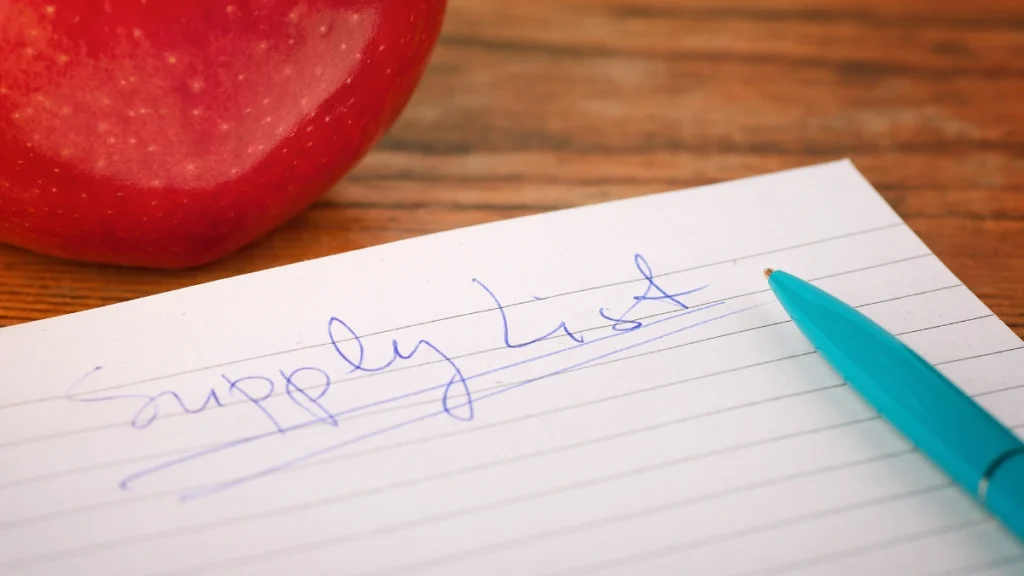
Using the right items ensures your paint stays stuck for years. You can find these tools at any local hardware store or home center.
| Tool Name | Recommended Brand | Purpose |
| Degreaser Cleaner | Krud Kutter Cleaner | Removes surface oil and grease |
| Liquid Sander | Jasco Gloss Off | Chemically scuffs the surface |
| Bonding Primer | Zinsser B.I.N. Shellac | Creates the adhesive base layer |
| High Density Roller | 4 Inch Foam Roller | Leaves a smooth, brush free finish |
| Specialized Paint | Fusion Mineral Paint | Delivers durable, self leveling color |
Step by Step Blueprint to Paint Without Sanding
Follow this exact order to complete your project. Changing the order will cause the chemicals to fail.
- Clean the surface completely. Remove all surface oils, fingerprints, and grease with a dedicated degreaser.
Crucial Expert Warning: Do not use TSP cleaner if you use a shellac primer. Zinsser B.I.N. labels warn that TSP residues disrupt shellac adhesion and cause cracking.
- Apply the liquid sandpaper. Pour your deglosser onto a zero scratch pad. Rub the wood in a firm, circular motion, then wipe clean with a damp cloth.
- Lay the bonding foundation. Use your foam roller to apply thin, even coats of primer. Thin coats dry faster and mimic a smooth spray gun finish.
- Apply your color coats. Roll on specialized resin paint like Dixie Belle or Heirloom Traditions. These products self level as they dry.
Watch the weather while working. Temperature impacts how chemicals cure. At room temperature, a deglosser sets in 20 minutes. In a cold garage below 52 degrees, drying times can jump to 8 hours. Give each layer plenty of time to dry.
The 24 Hour Scratch Test: Proving It Won’t Peel
It is normal to feel nervous about skipping the sander. You want proof that you can how to paint furniture without sanding and not ruin the piece. A quick test gives you total peace of mind.
Pick a hidden zone on your furniture. The inside back of a leg or a drawer lip works best. Apply your primer and a dab of paint to this small spot, then let it cure for a full 24 hours.
After a day, try to aggressively scrape the paint with your thumbnail. You can also use a rigid nylon tool.
If the paint holds firm, your surface is locked. Professional video trials show that passing this test means your chemical bond will survive daily household wear for years.
You can complete the rest of the project knowing you will paint furniture without scratching the final finish.
Conclusion
Ditch the dusty face mask and the heavy orbital sander. Your shoulders will thank you later.
By letting modern chemistry do the work, you bypass the worst part of furniture flipping. You save your time without sacrificing durability. Pick out an old, slick nightstand this weekend.