
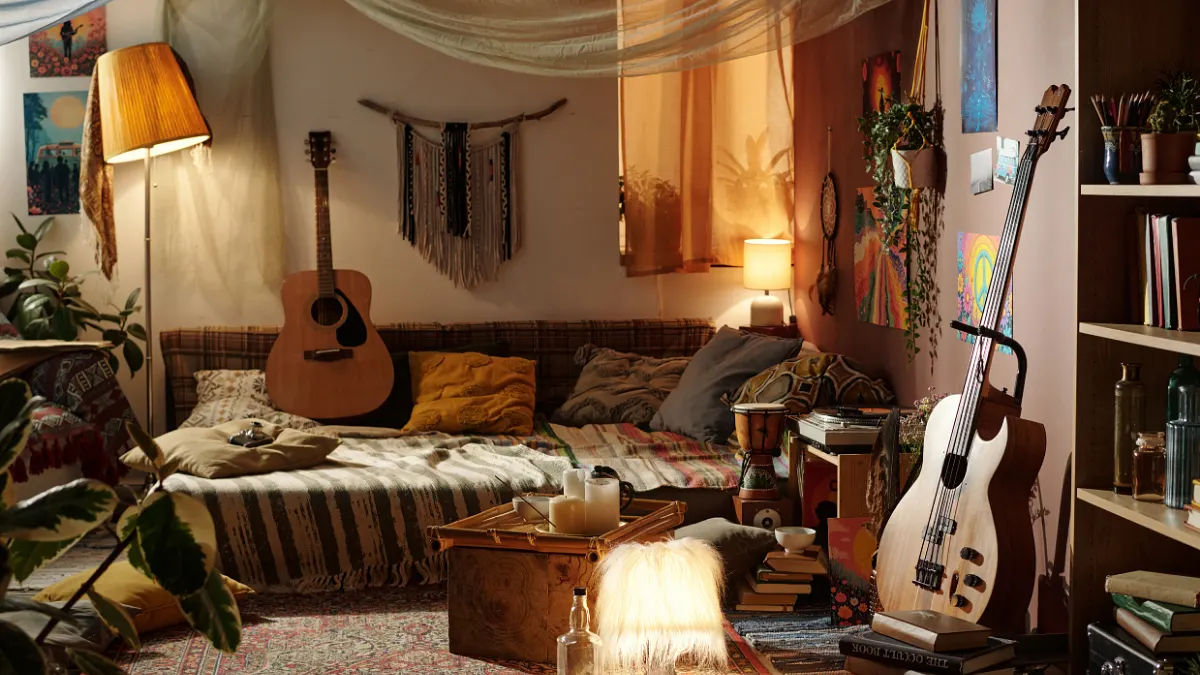
Have you ever walked into a room and felt instantly relaxed, but could not explain exactly why? Relying completely on a single overhead big light creates harsh shadows. It makes your beautifully decorated space feel like a clinical waiting room.
Bad lighting ruins your mood and makes your eyes tired. You spend thousands on furniture, but a single flat light makes everything look cheap.
We have the exact, foolproof formula to fix this problem. You need to mix ambient task accent lighting to create depth, warmth, and functionality. Here is the ultimate guide to layered lighting interior design for any room.
How to Fix Flat Rooms With The 3 Step Lighting Formula

A room with one light source looks like a flat 2D painting. A layered room feels like a beautiful 3D sculpture. Achieving this 3D effect requires three specific layers.
Combining different light sources creates a balanced and flexible space. We call it the holy trinity of lighting. Knowing how to layer lighting makes your home feel professionally designed.
Interior design in 2026 relies heavily on tunable LEDs. These smart bulbs shift color temperatures to match human circadian rhythms.
| Light Layer | Main Purpose | Impact on Room |
| Ambient | Overall brightness | Creates the base glow |
| Task | Work and reading | Stops eye strain |
| Accent | Adding drama | Highlights best features |
Step 1: Add Ambient Lighting for Your Base Layer

Ambient lighting is your room’s baseline. It provides general illumination so you can navigate safely. Think of it as the sunlight of your room.
You need this light spread evenly across your ceiling. Natural sunlight from windows also counts as your base layer. The most common fixtures for ambient light include:
- Flush mounts
- Recessed downlights
- Large ceiling pendants
Design Rule: Keep your ambient bulbs around 2700K to 3000K. This warm amber glow keeps the space inviting. You should aim for 100 to 200 lux in your living spaces.
Step 2: Use Task Lighting to Stop Eye Strain
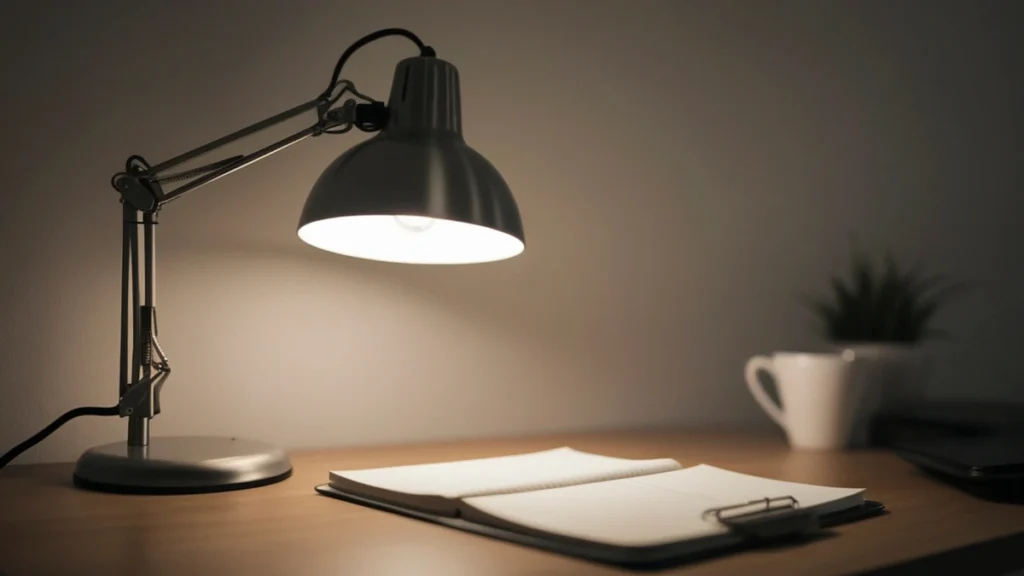
Task lighting is direct, intense illumination for specific activities. You need this when reading, chopping vegetables, or applying makeup. It must be completely glare free to prevent eye strain.
You want to put the light exactly where your hands are working. The best types of task lighting include:
- Under cabinet strips
- Stylish desk lamps
- Low hanging pendants
You need brighter and cooler light for clarity here. Aim for 300 to 500 lux for your work zones. Set your smart bulbs to a cooler 3500K to 4000K range.
| Room Activity | Recommended Light Level | Ideal Color Temperature |
| Relaxing in living room | 100 to 200 lux | 2700K to 3000K (Warm) |
| Reading a book | 300 to 500 lux | 3500K to 4000K (Cool) |
| Cooking in kitchen | 500 to 750 lux | 4000K (Bright White) |
Step 3: Place Accent Lighting to Highlight Your Best Features
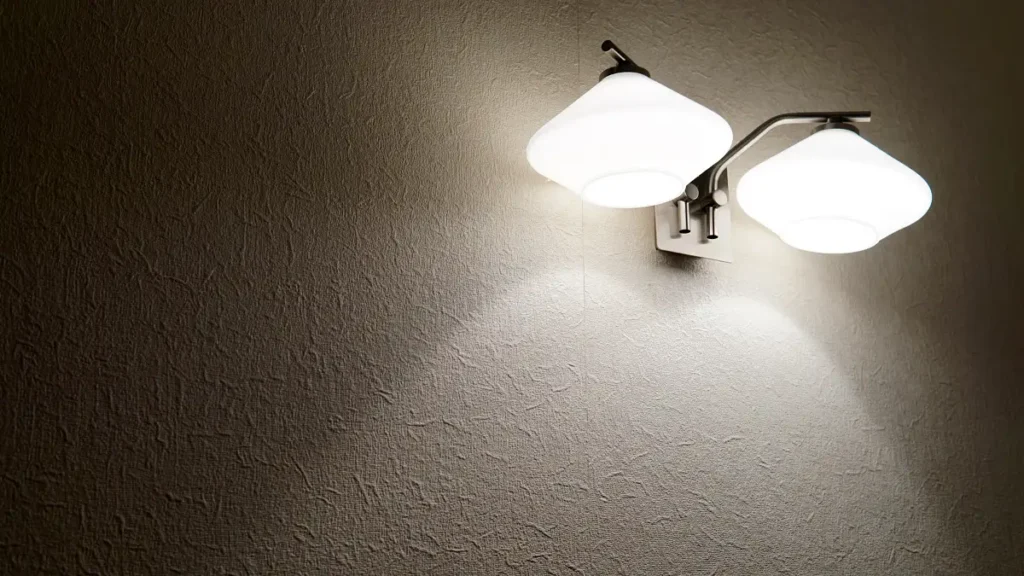
Accent lighting is the aesthetic layer that adds pure drama. You use it to highlight architectural features, artwork, or textured walls. This draws the eye and creates instant visual interest.
The 2026 trend focuses on truth in materials for these fixtures. The best fixtures for accent lighting include:
- Warm metallic sconces
- Ribbed glass picture lights
- Adjustable track heads
Pro Tip: The golden rule is that accent lights must be roughly three times brighter than your ambient light. This creates a proper focal point. Use narrow beam angles between 15 and 30 degrees for the best effect.
Why Good Lighting Boosts Your Home Value by 10 Percent
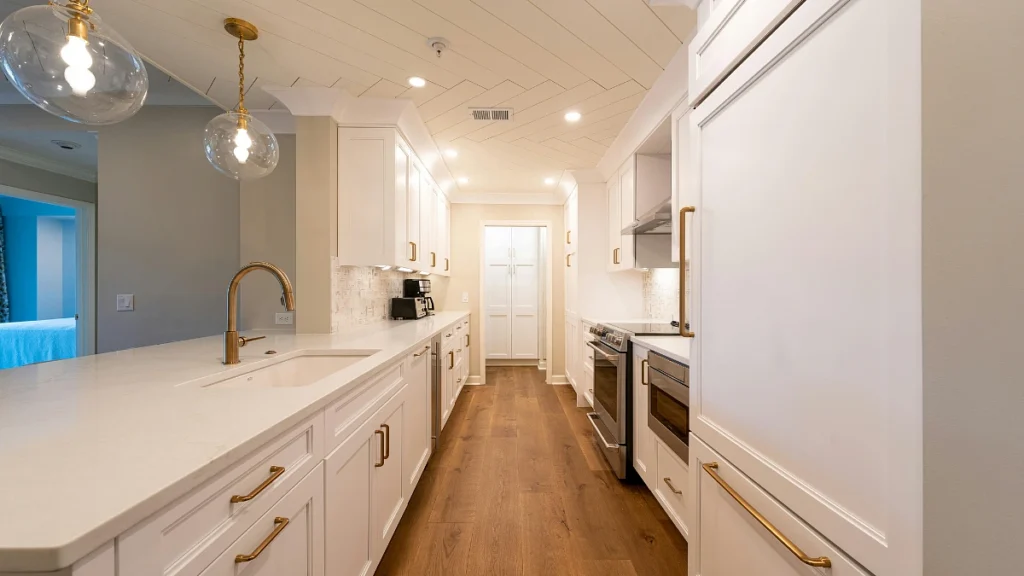
Lighting design directly impacts your real estate value. Swapping bulbs and adding a few lamps is the cheapest upgrade with the highest return. Well lit homes photograph perfectly for online listings.
Nearly 95 percent of buyers see a home online first. Poor lighting ruins listing photos and turns buyers away immediately. Proper lighting helps buyers emotionally connect with the space.
Let us look at the 2026 National Association of Realtors data. 83 percent of buyers agents report that staged homes help buyers visualize living there. Furthermore, staged homes can sell for 1 to 10 percent more money.
Smart home dimmer systems like Lutron or Philips Hue make this easy. These tools let you adjust your lighting layers dynamically. You get perfect home staging lighting tips built right into your phone.
| Staging Benefit | Real Estate Statistic | Source Data |
| Faster Sale Time | Properties spend 73 percent less time on market | RubyHome |
| Higher Sale Price | Homes sell for 1 to 10 percent more money | NAR Data |
| Buyer Connection | 83 percent of agents say it helps buyers connect | NAR Data |
Conclusion
Layering is all about balance. Start with your ambient base to light the room. Add task lighting for clear function, and finish with accent lighting for drama.
Mixing these sources transforms any boring room into a cozy retreat. Pin this guide to your interior design Pinterest board for your next room refresh! Mastering layered lighting interior design is the easiest way to upgrade your home.