
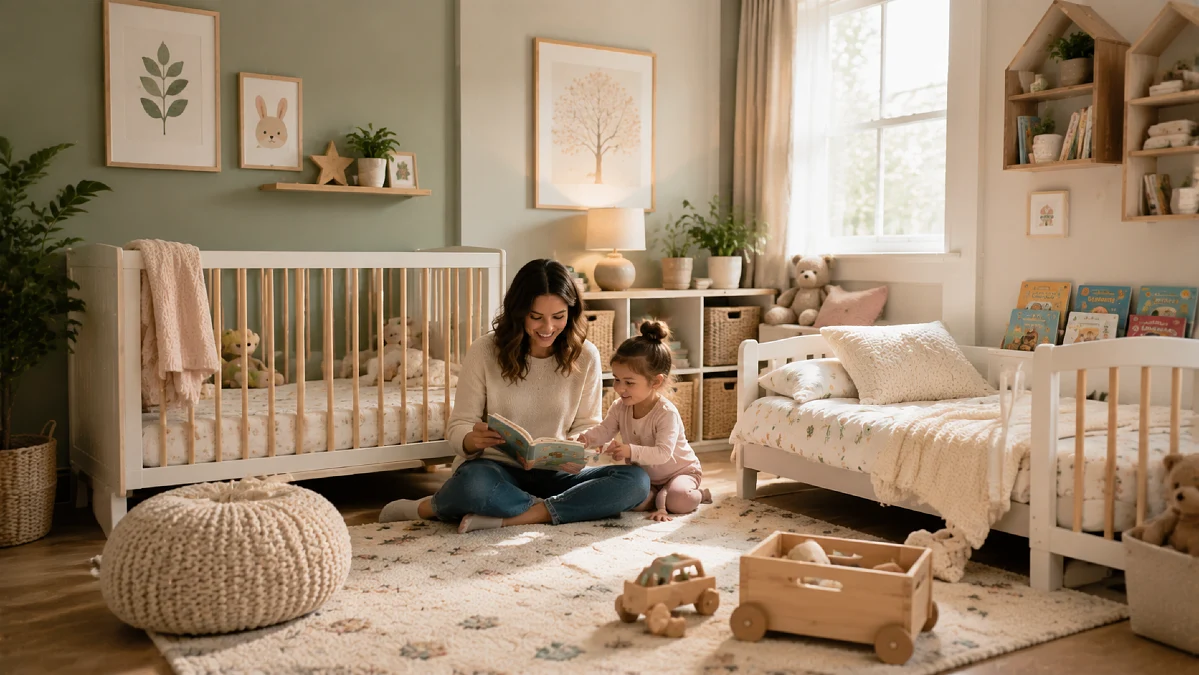
You catch your little one swinging a leg over the crib railing. The baby phase is officially over.
You panic. Keeping them in the crib feels dangerous. A fall could cause serious injury. But the thought of buying an entirely new bedroom set sounds exhausting. You look at expensive design blogs and feel broke. You do not have the time or money to start from scratch.
Here is the good news. You do not have to. You can keep the bones of the room. We will show you how to transition nursery to toddler room safely and cheaply. This guide makes your crib to toddler bed transition easy.
1. Know the Signs: When Is It Time for a Toddler Room?
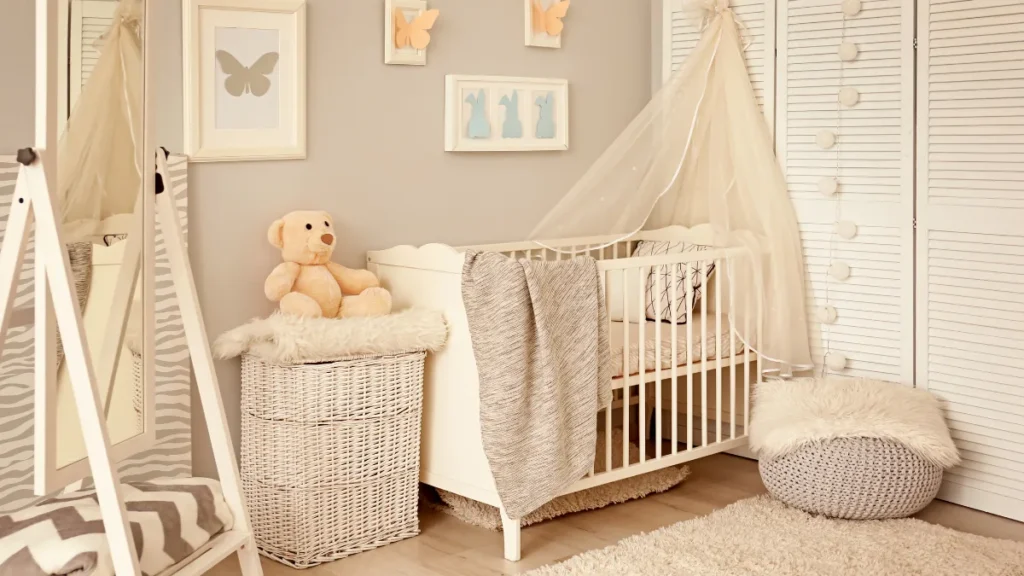
Is your toddler treating their crib like a jungle gym? The crib to toddler bed transition is a big step. You must look at physical readiness and emotional readiness.
Climbing out is the biggest red flag. A fall from a crib can cause serious injury. Sometimes the shift happens because of nighttime potty training.
A toddler needs access to the bathroom when they wake up. Pediatricians like Dr. Chandani DeZure suggest watching for clear developmental cues rather than strictly following a specific age.
The American Academy of Pediatrics (AAP) gives a clear guideline. It is time to move when your child’s chest is higher than the crib railing when they stand. This usually happens when they reach 35 inches tall. Kids hit this mark between 18 months and 3 years old.
| Sign of Readiness | What It Looks Like | What To Do |
| Physical | Chest sits above the crib railing. | Time to transition immediately for safety. |
| Behavioral | Swinging legs over the edge. | Lower the mattress or remove the front panel. |
| Practical | Nighttime potty training begins. | Move to a bed so they can reach the bathroom. |
Use the 35 inch AAP rule. It tells parents exactly when to pull the trigger.
2. Keep the Bones and Swap the Bed
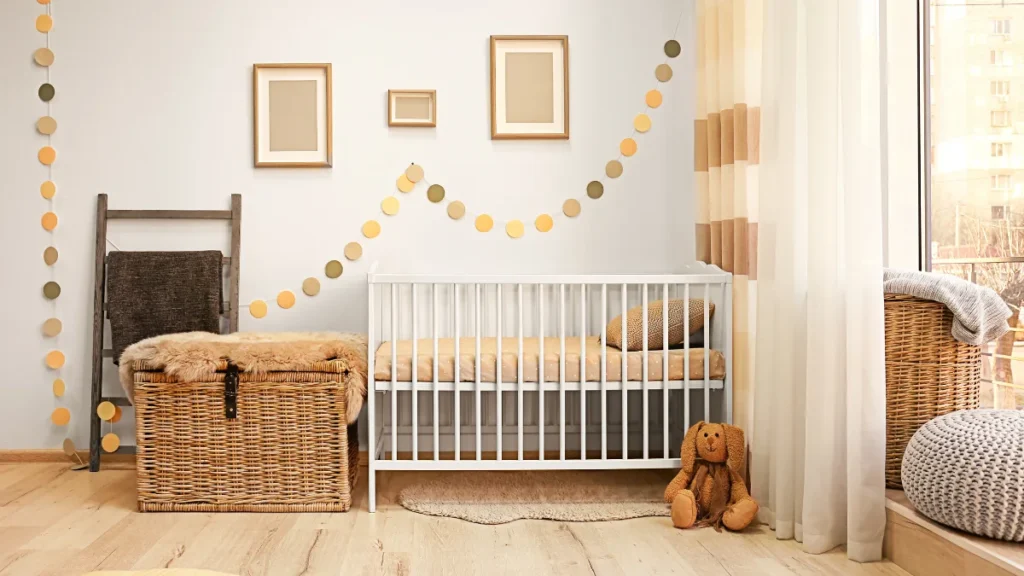
You do not need to drain your savings account for this project. Budget concerns are totally valid. Keep your foundational furniture. Do not repaint walls or buy new dressers. You just need to focus on the bed.
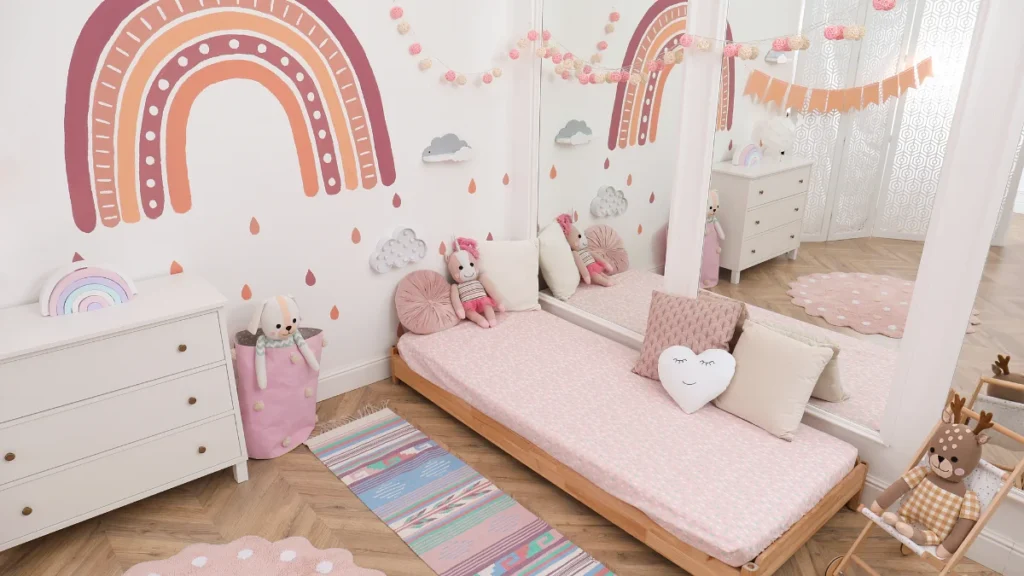
You have two main choices. You can convert a convertible crib by removing the front panel. Or you can switch to a low profile floor bed.
Both are great toddler room ideas on a budget. Brands like Babyletto offer great convertible options that grow with your child.
Opting for a floor bed or using a toddler rail saves an average of $300 to $600 compared to buying a standard twin bed immediately.
Position the new bed safely. Put it against a wall to prevent rolling out. Keep it far away from windows and blind cords.
| Bed Option | Cost Impact | Best For |
| Convertible Crib | Free or low cost for rail | Babies already sleeping in a convertible model. |
| Floor Bed | Under $200 for a frame | Parents wanting a Montessori approach. |
| Standard Twin | $300 to $600 plus | Older toddlers who skip the toddler bed phase. |
Keeping the heavy furniture provides continuity for your child while saving money for you. Now that the bed is sorted, let us look at how this new layout impacts the rest of the room.
3. Introduce Montessori Style Accessible Storage
Picture a toddler trying to reach a toy that sits high on a shelf. They get frustrated. They whine. They might try to climb and fall.
Toddlers need to reach their own things to build independence. This is the core of a Montessori toddler bedroom. When kids can access their own toys and clothes, it reduces tantrums. They feel in control of their environment.
Start by swapping out the old changing table for open low level shelving. Move away from deep and heavy drawers. Instead use soft lightweight storage bins at floor level.
Place a single day of clothes in the bottom drawers. Your toddler can choose their outfit without climbing up a heavy dresser. You can even leave a step stool out so they can reach the light switch.
Try an actionable weekend project. You can remove closet doors and add low bins on the floor to instantly boost their independence.
4. Create Dedicated Zones for Play, Rest, and Reading
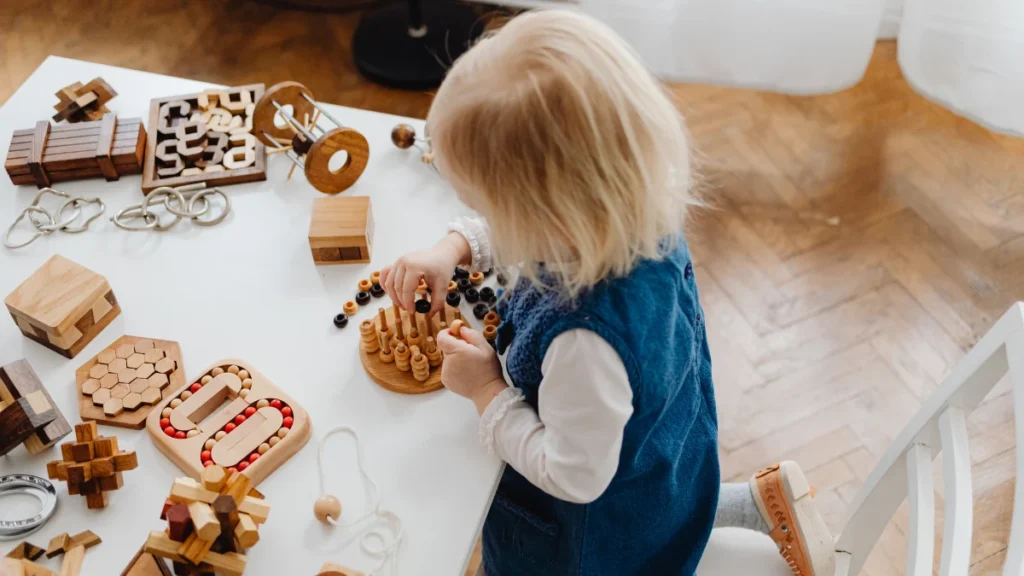
A big open room can easily overwhelm a toddler. They do not know what to do with all that space.
You need to divide the room visually. Create a calm zone for sleep. Create an active zone for play. Guide them naturally through the space. Put the bed in one quiet corner. In another corner build a cozy reading nook. Add a plush washable rug and front facing bookshelves.
Keep all stimulating toys contained in one specific corner. This signals that the rest of the room is for winding down.
Structured room zones help reduce bedtime resistance. Physically separating stimulating toys from the sleep area calms their brain before bed. They know exactly where to rest and where to play.
This layout supports better sleep hygiene for your child and a quieter evening for you.
5. Update the Decor Without a Full Renovation

Babies do not care about decor. But toddlers definitely have opinions.
You can evolve the aesthetic very cheaply. Small and inexpensive changes make the biggest visual impact. Replace babyish pastel art with sturdier and interactive decor.
Try removable wall decals. Paint a chalkboard wall. Hang a large magnetic board. These keep them busy and look great.
But it gets better. Finding out how to transition nursery to toddler room is mostly about fun little details. Suggest affordable swaps to your child.
Change out the drawer pulls on an existing dresser. Lay down a fresh washable rug. These cost very little but change the whole vibe of the room.
Let your toddler help pick out their new sheets. This builds excitement about sleeping in their new space.
Always give your toddler a choice between two bedding options. This fosters ownership of their new big kid room.
6. The Toddler Safety Audit
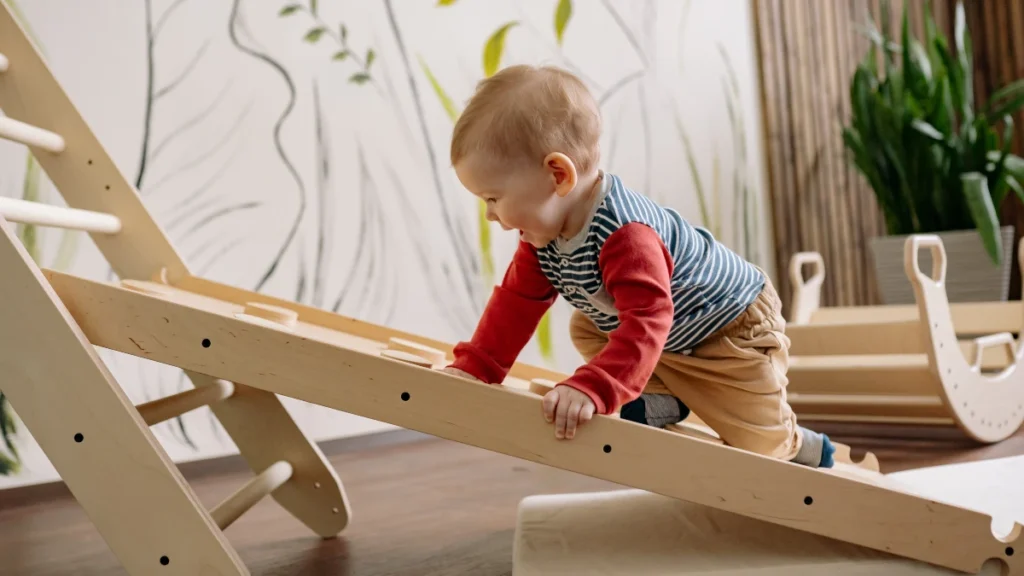
Here is the blunt reality. The whole room is now their crib.
They have free reign of the room at 2 AM. You must walk through a complete safety check from the floor to the ceiling. Wall anchors are your absolute best friend. Anchor all heavy furniture securely to the wall.
Remove long blind cords entirely. Cover every single electrical outlet. If your child is under age two, take away all pillows and heavy blankets. Use GREENGUARD Gold certified paints and furniture for better indoor air quality.
Consumer Product Safety Commission (CPSC) data strongly urges anchoring dressers and bookshelves to stop fatal tip overs. The AAP strictly enforces the rule of no pillows for kids under two years old.
| Safety Task | Why It Matters | Tools Needed |
| Anchor Furniture | Prevents fatal tip over accidents. | Nylon straps, drill, wall studs. |
| Cover Outlets | Stops electrical shocks. | Sliding outlet covers. |
| Check Windows | Prevents falls and strangulation. | Cordless blinds, window stops. |
Remember that cute aesthetics mean absolutely nothing without proper wall anchors. Keep them safe first.