
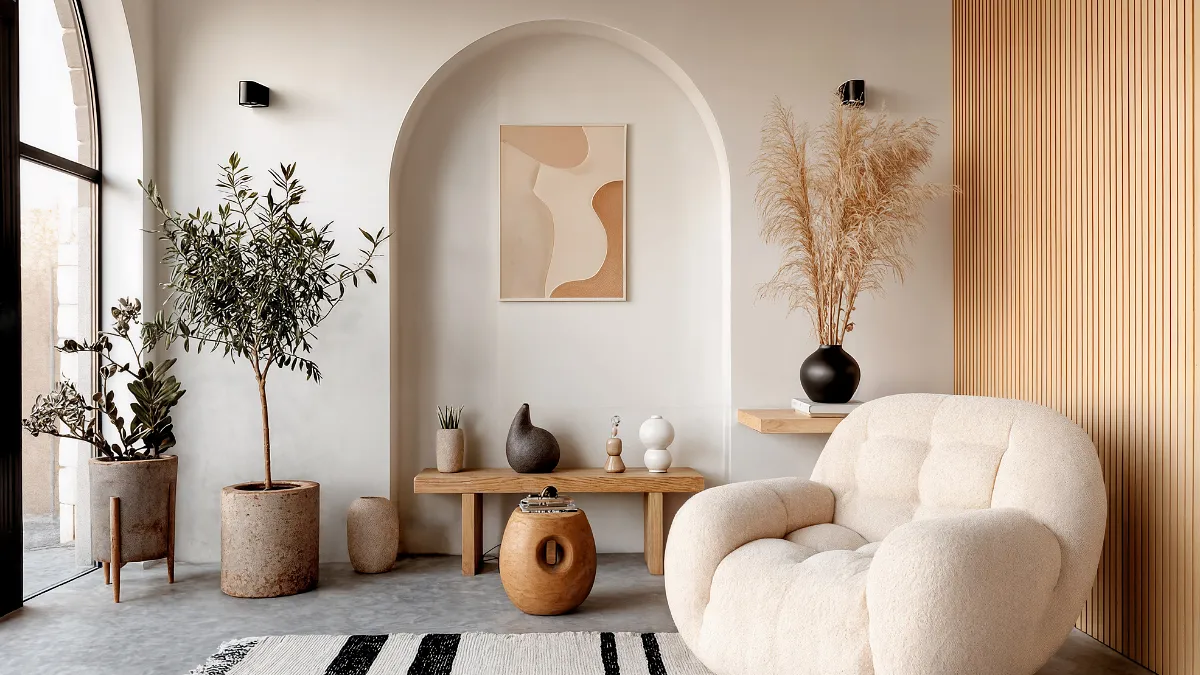
Your home should be a peaceful sanctuary. But instead, it feels crowded and messy. Staring at mismatched items and cheap fast furniture makes you feel stressed out every day.
You want a clean space that still feels cozy and welcoming. You can fix this problem right now. Japandi style is the perfect design match. It mixes cozy Scandinavian minimalism with calm Japanese design principles.
This combination gives you a warm and functional home without any clutter. Here is your simple guide to get this beautiful look in any room.
What is Japandi Style and Why Does It Matter?
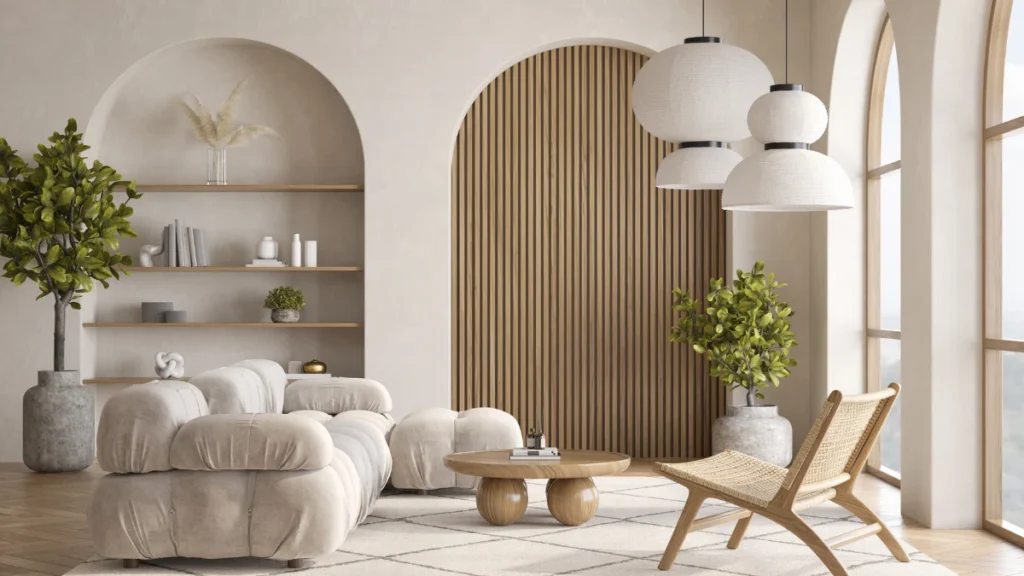
Japandi interior design is a blend of two different worlds. It takes the cozy feeling from northern Europe and mixes it with the historic traditions of Japan. This is not a temporary trend. It is a smart way to design a home that lasts for decades.
To see how these ideas fit together, you can look at the core values. Northern Europe gives us hygge, which means cozy comfort.
Japan gives us wabi sabi, which means finding beauty in imperfect things. When you mix them, you get a clean home that still feels warm and human.
Here is a simple look at how these styles compare:
| Design Style | Core Element | Main Feeling |
| Scandinavian Hygge | Cozy comfort | Warm and safe |
| Japanese Wabi Sabi | Imperfect beauty | Quiet and raw |
| Japandi Mix | Warm minimalism | Clean and peaceful |
Many people try traditional minimalism and hate it. They find that empty white rooms feel cold like a hospital. Japandi style fixes this problem completely. It uses clean lines but adds natural warmth so you can actually enjoy living in your space.
The 3 Core Pillars of Japandi Design

You need to know the basic rules before you buy new items. True Japandi style relies on three main ideas.
The first idea is the Rule of Three Textures. To make a simple room feel interesting, you must layer different surfaces. You should use one rough texture, one smooth texture, and one soft texture in every room.
You can use this checklist to plan your textures:
| Texture Type | Material Example | Where to Put It |
| Rough texture | Raw wooden stool | Next to the sofa |
| Smooth texture | Polished stone tray | On the coffee table |
| Soft texture | Woven linen cushion | On a wooden chair |
The second idea is called ma. This is a Japanese word for intentional empty space. In western homes, people often feel the need to fill every single corner.
Japandi design leaves space empty on purpose. This empty space gives your eyes a place to rest. It makes a small room feel much larger.
The third idea is the low profile furniture rule. Traditional Japanese homes use furniture that sits very close to the floor.
Your sofas, coffee tables, and bed frames should be low. The ideal height for these pieces is between 35 and 40 centimeters off the floor.
And here is why that matters. Low furniture keeps your sight lines open. It opens up the top half of your room and makes your ceilings feel higher. It forces you to look down and stay grounded.
How to Use a Warm Color Palette for Sudden Calm

Color changes how you feel the moment you walk into a room. You should stop using bright, stark white paint on your walls. Instead, change your color palette to warm neutrals.
Look for soft paint colors like sand, greige, and pale clay. These shades reflect natural light in a gentle way. They make your walls feel peaceful.
Lighting is also part of your color palette. Many modern homes use bright, blue toned lights. This cold light ruins the cozy feel of your space. Change all your light bulbs to a 2700K temperature rating. This number gives you a warm golden glow that looks like sunset.
As you can see in the image above, the low furniture works with the sand colored walls. The raw wooden textures bring nature inside.
The room has plenty of empty space, which makes it feel quiet and calm. You do not see any bright plastic or messy cords.
4 Steps to Get the Look in Your Rooms

You do not need to change your whole house in one day. You can use these four clear steps to update any space.
The Zen Interior
Visual decompression frameworks
Noise Reduction
Clear the visual noise by concealing standard electronics and unneeded daily clutter securely inside wooden cabinets.
The Bare Wall Anchor
Apply the one bare wall rule. Keep one accent plane entirely blank to serve as a structural anchor of absolute calm.
Atmospheric Warmth
Kill harsh overhead fixtures. Swap your light footprint out for organic paper floor lamps with warm bulbs instead.
Biophilic Equilibrium
Introduce breathing elements. Interject living greens and potted flora to cleanly soften spatial architectural lines.
The image shows how these steps look in a bedroom. The low wooden bed frame keeps the room airy. The beige linen sheets look soft and natural. There are no bright colors to distract you from sleeping. This layout creates a perfect space for rest.
How to Spot Real Materials and Avoid Cheap Copies
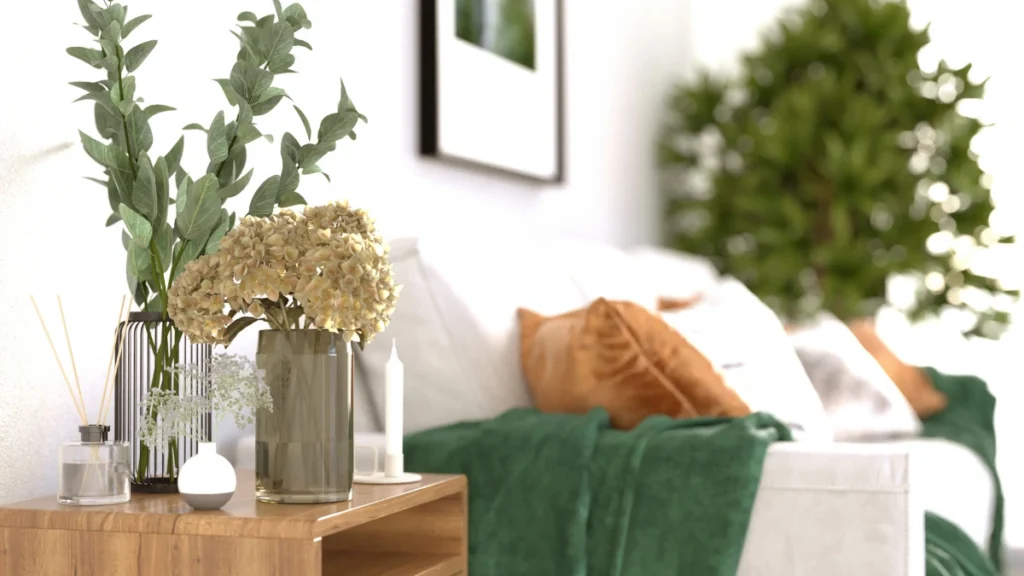
To get a true Japandi look, you must avoid synthetic materials. Plastic surfaces and cheap laminate woods do not age well. They scratch easily and look fake.
Instead, choose honest materials like solid oak, real linen, natural stone, and bamboo. These materials feel great to touch. They have a natural grain you can feel under your fingers.
Buying high quality pieces saves you money over time. Cheap fast furniture breaks down in a year or two. Solid wood pieces develop a beautiful look as they get older. You buy them once and keep them for life.
You can use this guide to spot real quality when you shop:
| Furniture Detail | Real Japandi Quality | Cheap Copy |
| Main material | Solid oak, walnut, or bamboo | Thin plastic laminate wood |
| Joint connections | Sturdy wooden pegs and slots | Cheap metal brackets and glue |
| Surface feeling | Rough or smooth real wood grain | Perfectly flat fake plastic print |
Before you buy anything new, use a free mood board app like Pinterest or Canva. Take photos of your current room. Paste in images of warm neutral paint and low furniture to see if they match. This keeps you from spending money on items that do not fit the style.
Conclusion
Creating a Japandi style home is about choosing a better lifestyle. It is about slowing down and removing the extra noise from your daily life. When you clear your physical space, you clear your mind too.
Start small today. Pick just one shelf or one corner in your living room. Clear away the clutter and leave that space entirely empty.